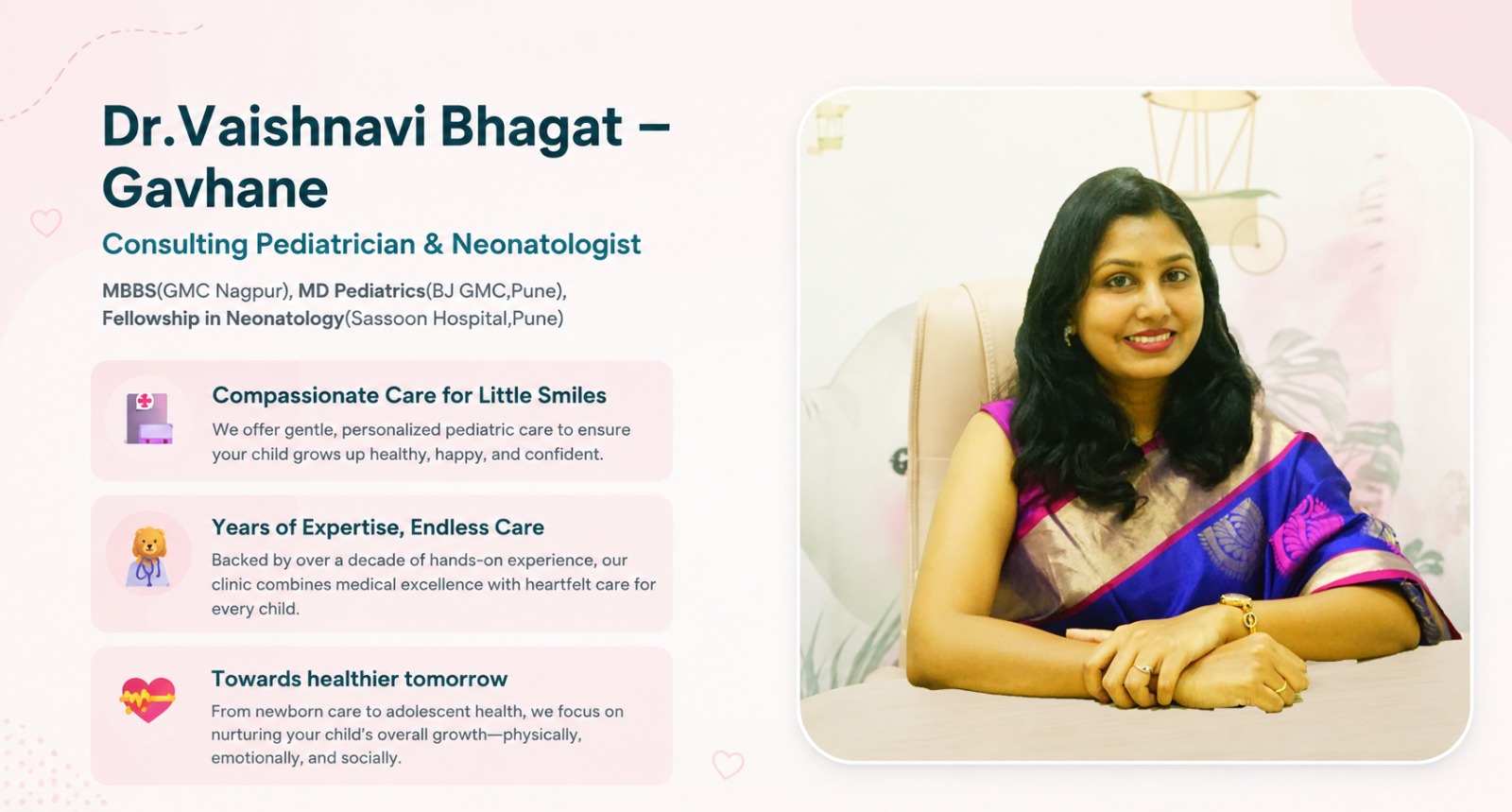
Babies and Beyond Children Clinic, led by Dr. Vaishnavi Bhagat Gavhane, Pediatri...See More
Oct 09, 2026
Delivering specialized pediatric and neonatal care with advanced expertise, compassionate treatment, and personalized guidance for every growing child.

.jpeg)

.jpeg)
A Message from the Doctor
Years of Experience
Counselling Sessions on Pediatric Nutrition Given
Vaccinations Administered
Little Lives Touched




Personalized medical care for newborns, children, and adolescents, delivered with compassion, expertise, and evidence-based treatment.






Stay informed with our latest updates, posts, announcements, and healthcare news
Babies and Beyond Children Clinic, led by Dr. Vaishnavi Bhagat Gavhane, Pediatri...See More
Oct 09, 2026
Pediatrician and Neonatologist

What our Patients says about us
Highly recommend Dr. Vaishnavi. She listens carefully, diagnoses thoroughly, and provides expert guidance in a child-friendly environment.

Dr. Vaishnavi provides expert pediatric care and ensures parents fully understand the treatment plan. Truly a wonderful doctor.
Dr. Vaishnavi is an excellent pediatrician who truly cares for her patients. She listens carefully, explains everything clearly, and makes children feel comfortable. Her kind and patient nature puts both children and parents at ease. Highly recommended for any parent looking for a caring and professional pediatrician
Visited the clinic for my baby’s check-up and had a very positive experience. The care and attention were excellent.
Consulted the doctor for my daughter and it was a very good experience. Sufficient time given and doctor tried to understand the route cause. Also patiently heard all symptoms and history. Overall satisfied with diagnosis and medication suggested.
I had an excellent experience at Baby and Beyond Clinic for my baby’s vaccination. The entire process was smooth, hygienic, and well-organized, which was very reassuring. The doctor’s courteous and polite behavior truly stood out—she patiently explained everything and addressed all our concerns with great clarity. Her depth of knowledge and learned experience was evident in the way she handled the baby so gently and confidently. The staff was also supportive and ensured minimal waiting time. Overall, it was a stress-free and comforting experience, and I would highly recommend this clinic to parents seeking quality care.
Visited Babies and Beyond children clinic for my niece.It was a great experience overall .They explained everything clearly and made me feel comfortable throughout the consultation. Highly recommended.
First of all, getting an appointment is very easy. There's no need to wait in long queues as everything is managed efficiently and on time. Dr. Vaishnavi is extremely gentle with children and takes the time to make them feel comfortable. She is knowledgeable, patient, and never rushes through the consultation. What I appreciate most is that she spends good amount of time discussing not just the immediate illness, but also the child's overall growth, feeding habits, nutrition and daily diet. Overall, I would highly recommend her. The experience is a refreshing change from the typical "What's the problem? Here's the medicine. Next patient, please" approach. She genuinely listens, explains, and cares about the child's overall wellbeing.
I am very pleased to share my experience with Dr. Vaishnavi, who has been our pediatrician for my 11-year-old child. Her expertise, patience, and caring approach have made a significant positive impact on my child's health and well-being. She’s always takes the time to listen, answer our questions, and ensure that my child feels comfortable and safe during visits. Her professionalism and attention to detail are truly commendable. I highly recommend Dr. Vaishnavi to any parent seeking a compassionate and skilled pediatrician. We are greatful for excellent care provided.
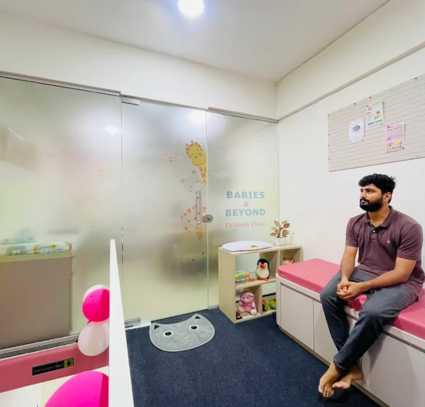
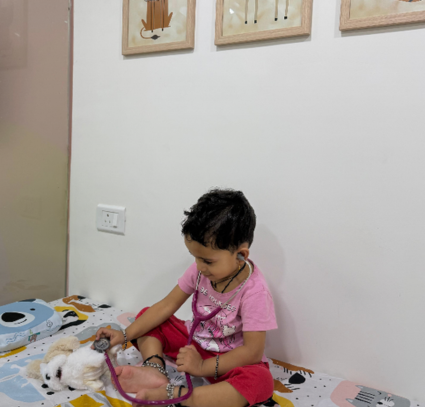
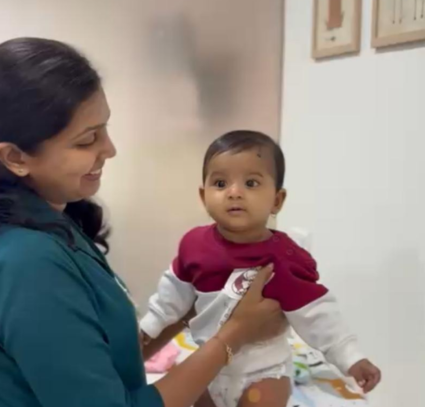
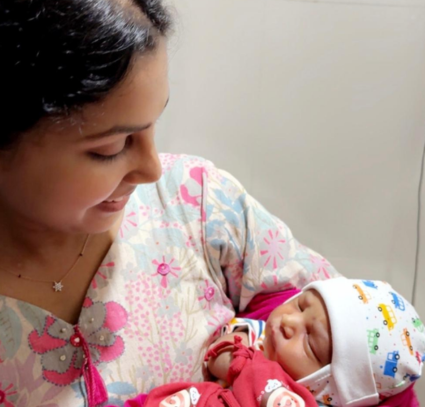
Explore our gallery of images and moments


Need Answers? Find them here...
A pediatrician provides comprehensive medical care for children from birth through adolescence, addressing their physical, emotional, and developmental health needs. Pediatric care includes routine health check-ups, vaccinations, growth monitoring, nutritional guidance, treatment of common childhood illnesses, developmental assessments, and preventive healthcare. Regular pediatric consultations help detect health concerns early, support healthy growth, and ensure children receive age-appropriate medical care that promotes lifelong health and well-being.
A neonatologist is a pediatric specialist trained to diagnose and manage medical conditions affecting newborn babies, particularly those born prematurely, with low birth weight, congenital disorders, or critical illnesses. Parents may need a neonatologist when a newborn requires specialized intensive care, respiratory support, advanced monitoring, or management of complex neonatal conditions. Early neonatal intervention improves survival, reduces complications, and supports healthy development during the most critical days after birth.
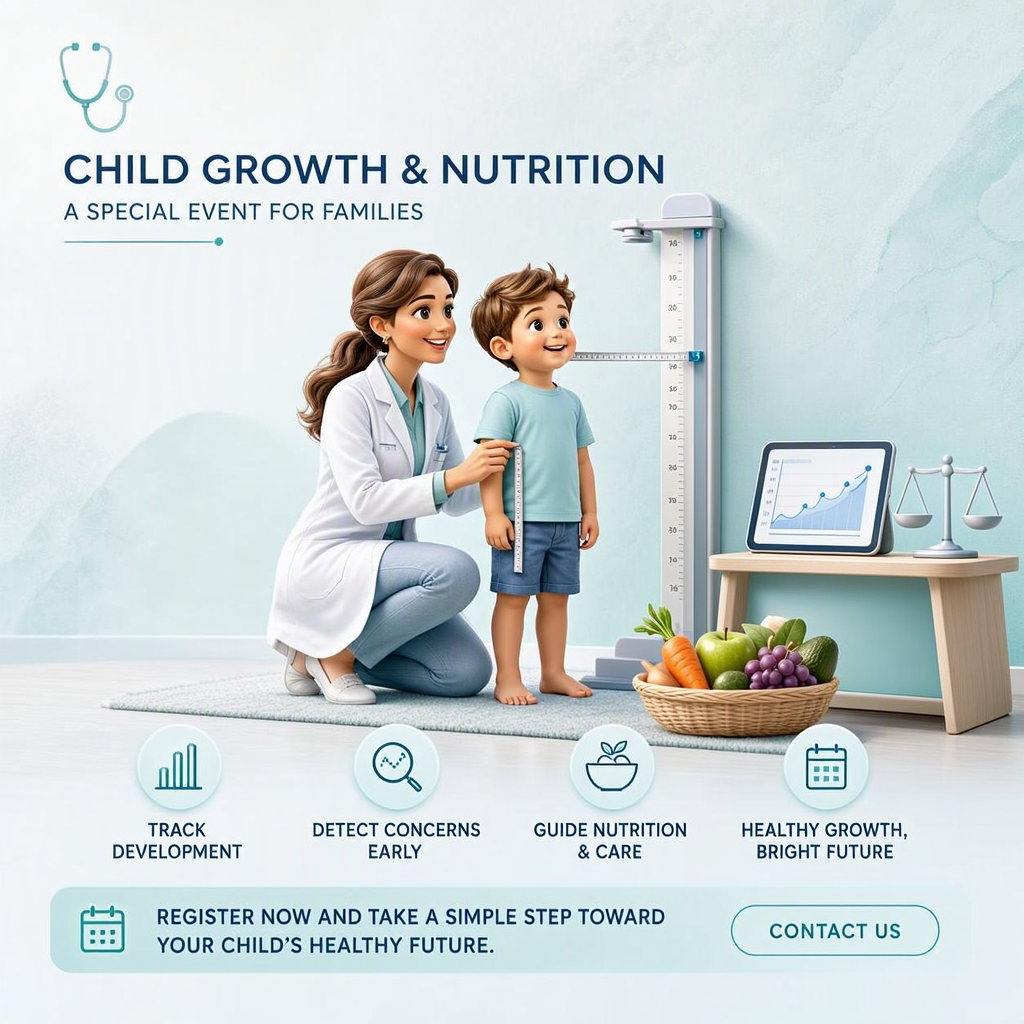
Routine pediatric consultations help monitor your child's physical growth, developmental milestones, nutrition, behavior, and overall health. These visits allow early identification of developmental delays, nutritional deficiencies, infections, or chronic health conditions before they become serious. Pediatricians also provide vaccination schedules, parental guidance, preventive healthcare advice, and counseling tailored to every stage of childhood. Regular health assessments ensure children receive timely medical attention and achieve optimal growth and development.
Growth and developmental assessments evaluate whether your child is meeting age-appropriate milestones related to height, weight, language, motor skills, cognitive abilities, social interaction, and emotional development. These evaluations help identify developmental concerns early, allowing timely intervention when necessary. Regular monitoring ensures children receive appropriate medical, nutritional, and developmental support, promoting healthy physical and mental growth while providing parents with guidance throughout every stage of childhood.
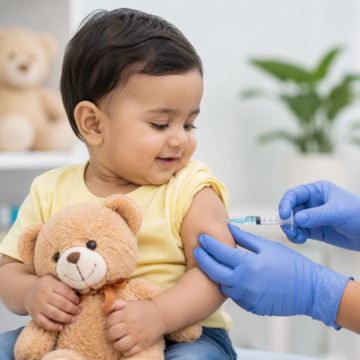
Vaccinations protect children from serious and potentially life-threatening infectious diseases by strengthening the body's natural immune response. Following the recommended immunization schedule reduces the risk of illness, prevents disease outbreaks, and contributes to community-wide protection. Pediatricians also educate parents about vaccine safety, schedules, possible side effects, and booster doses. Staying up to date with vaccinations is one of the most effective ways to safeguard a child's long-term health.
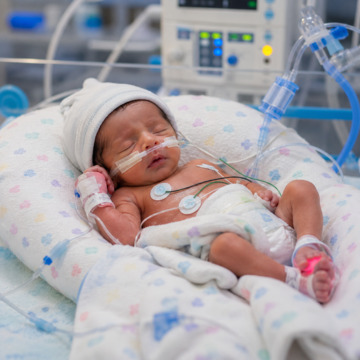
Premature and extremely low birth weight (ELBW) babies require highly specialized neonatal intensive care to support breathing, nutrition, temperature regulation, infection prevention, and organ development. Neonatologists closely monitor these newborns using advanced technology and evidence-based treatment protocols. Individualized care plans help reduce complications, improve growth, and support healthy neurological development, giving vulnerable newborns the best possible opportunity for recovery and long-term well-being.
Adolescent healthcare addresses the unique physical, emotional, nutritional, behavioral, and developmental needs of teenagers as they transition into adulthood. Regular consultations help monitor growth, puberty, mental well-being, lifestyle habits, nutrition, and preventive health. Pediatricians also provide age-appropriate counseling on healthy living, emotional concerns, academic stress, and behavioral issues while encouraging open communication between adolescents and their families for comprehensive healthcare support.
Proper nutrition during infancy and childhood is essential for healthy growth, brain development, immunity, and overall well-being. Lactation counselling helps mothers establish successful breastfeeding practices while addressing feeding challenges. Nutritional counselling provides guidance on balanced diets, appropriate feeding practices, growth monitoring, and age-specific nutritional requirements. Personalized nutritional support helps prevent deficiencies, promotes healthy development, and builds a strong foundation for lifelong health.
Parents should seek immediate pediatric or neonatal medical care if a newborn develops difficulty breathing, persistent fever, poor feeding, excessive sleepiness, seizures, bluish discoloration of the skin, severe jaundice, repeated vomiting, dehydration, or unusual changes in activity. Prompt medical evaluation allows early diagnosis and treatment of potentially serious conditions. Timely intervention by an experienced pediatrician or neonatologist can significantly improve outcomes and ensure the newborn receives appropriate specialized care.
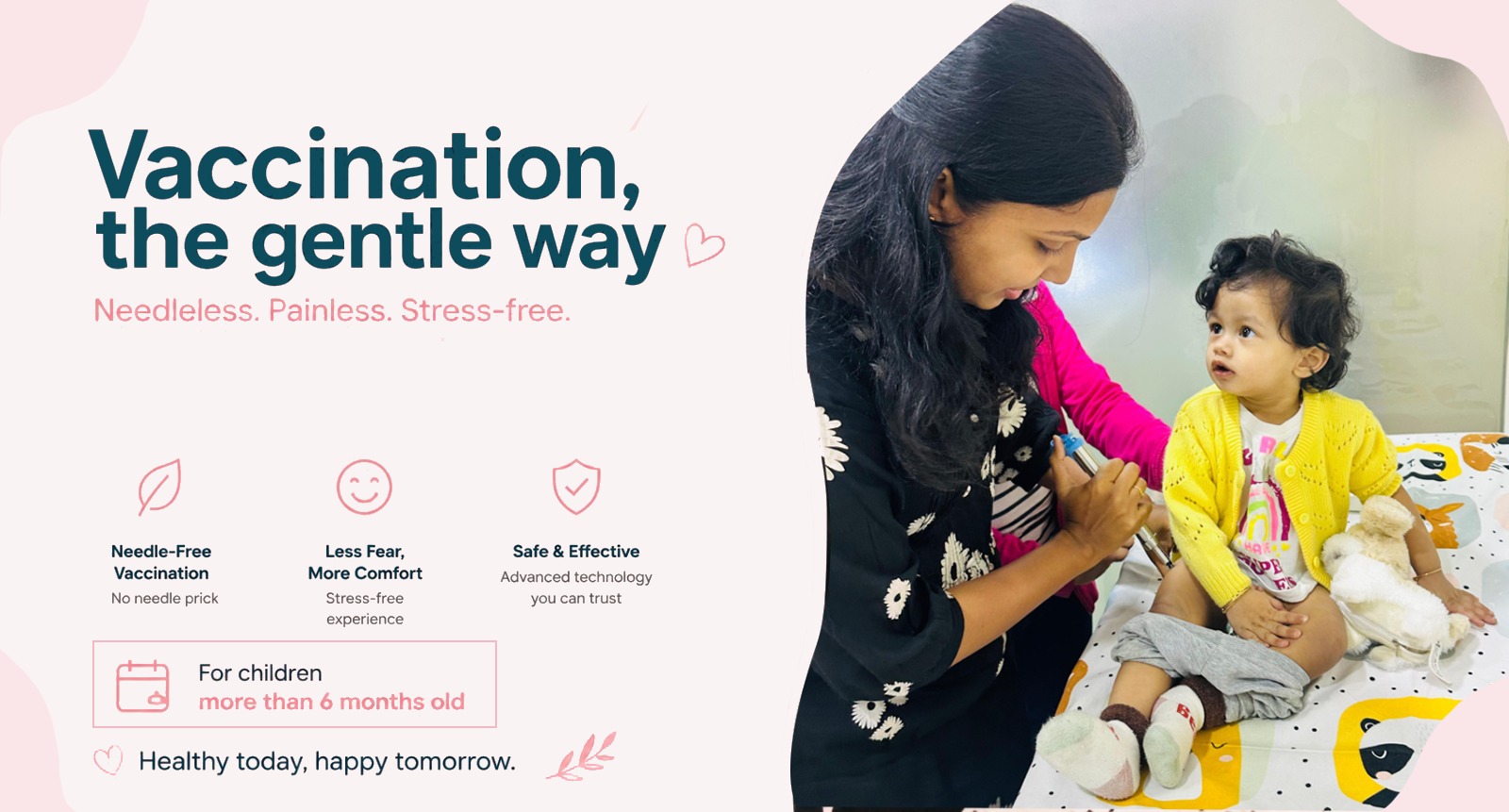
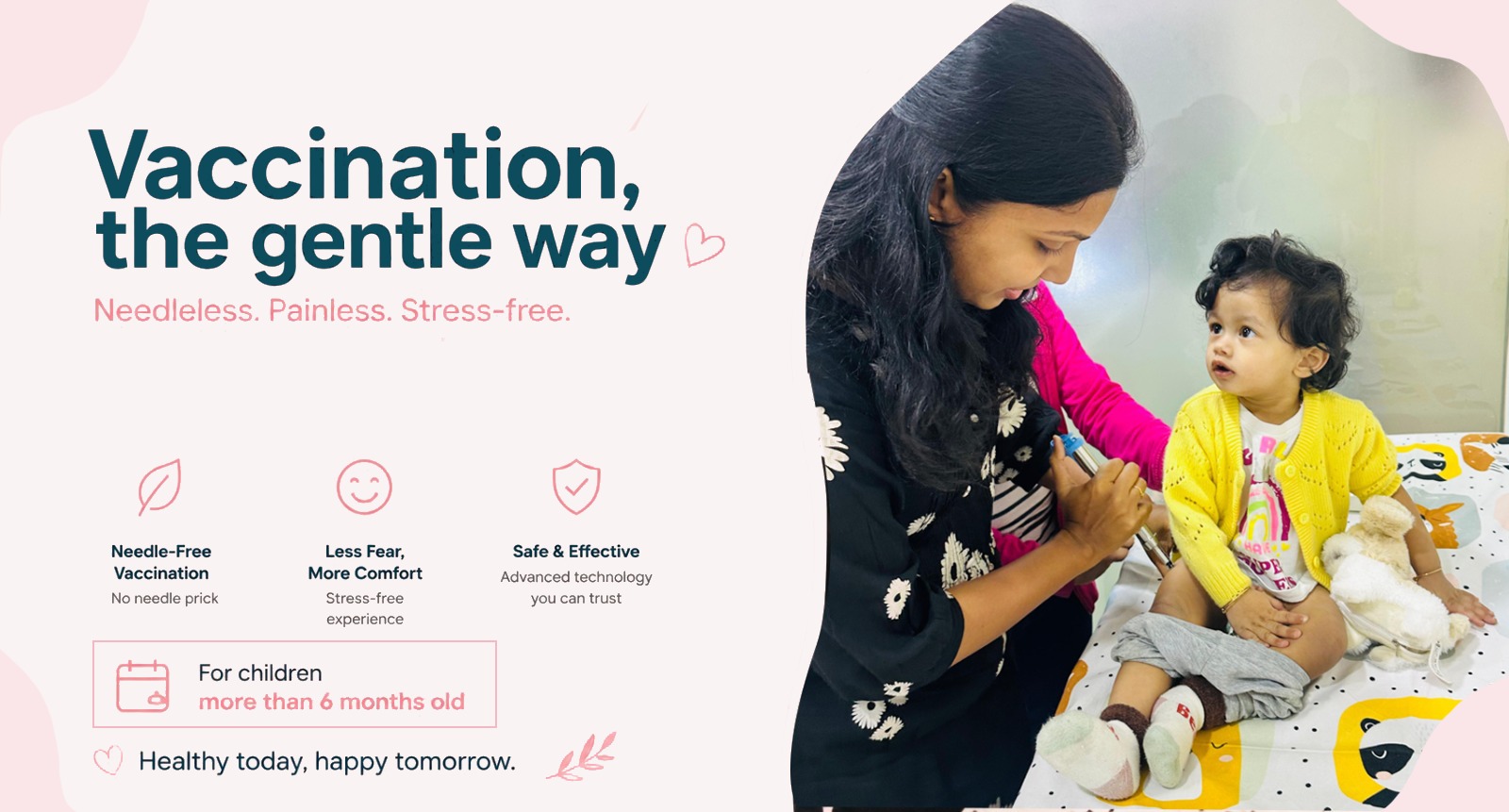
Needleless Vaccination, also known as the Needle-Free Injection System (NFIS), is an advanced method of administering vaccines without the use of a conventional needle. It uses a high-pressure, narrow stream of the vaccine to pass through the skin and deliver it into the underlying tissue, providing a safe, effective, and comfortable vaccination experience
Needleless Vaccination offers several advantages for both children and parents. It eliminates the discomfort of a needle prick, making the vaccination experience less stressful and reducing fear and anxiety associated with injections. It also removes the risk of needle-stick injuries while ensuring quick, safe, and effective vaccine delivery with the same level of protection as traditional injections.
No. Needleless Vaccination is recommended only for children above 6 months of age. The suitability of this vaccination method depends on your child's age and the specific vaccine being administered. Your pediatrician will guide you on whether your child is eligible for Needleless Vaccination based on the recommended immunization schedule.
 Address :Babies & Beyond Children Clinic and Vaccination Centre, Shop No. 8, Ground Floor, Pink City Commercial, Vishnu Dev Nagar, Wakad, Pimpri-Chinchwad, Wakad 411017, Maharashtra